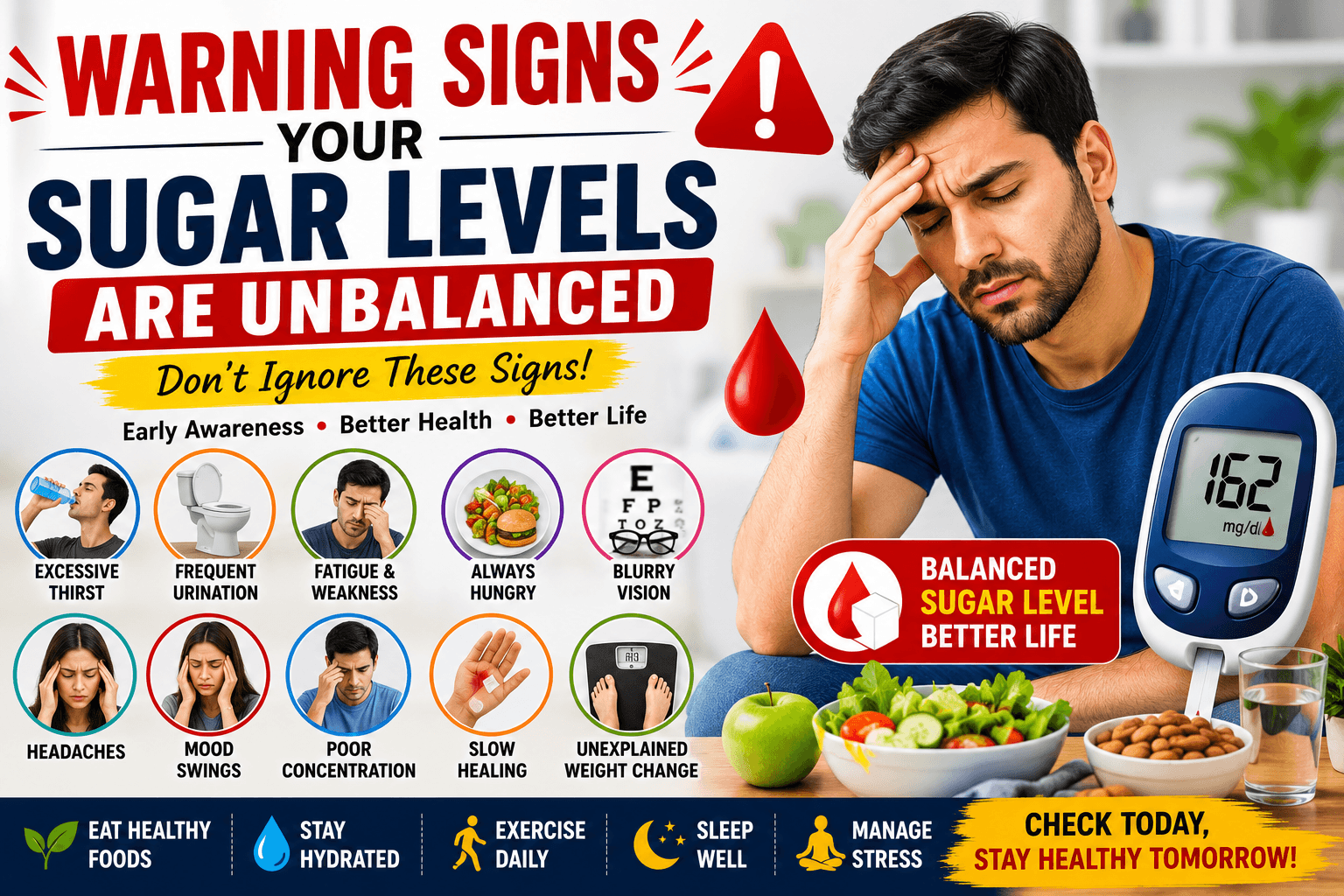
Warning Signs Your Sugar Levels Are Unbalanced
Quick Answer
A sugar imbalance may cause unusual thirst, frequent urination, tiredness, hunger, blurry vision, headaches, mood changes, and poor concentration. These signs can happen when blood sugar becomes too high or too low. Therefore, recognizing symptoms early may help you take steps to support better health.
Introduction
Many people think blood sugar problems only affect people with diabetes.
However, that is not always true.
A sugar imbalance can affect anyone.
When blood sugar levels move too high or too low, the body may send warning signals.
Some signs are easy to miss.
Others can affect daily life.
Therefore, learning these signs may help you understand what your body is trying to tell you.
What is Sugar Imbalance?
Sugar imbalance happens when blood glucose levels are not within a healthy range.
Glucose is a type of sugar that gives the body energy.
Normally, the body keeps blood sugar balanced.
However, certain factors can affect this process.
As a result, sugar levels may become too high or too low.
Causes of Sugar Imbalance
Many factors can affect blood sugar.
Common causes include:
Poor Diet
Eating too many sugary foods and refined carbohydrates may affect blood sugar balance.
Stress
Stress hormones can influence how the body manages glucose.
Lack of Physical Activity
Less movement may reduce the body’s ability to use glucose efficiently.
Poor Sleep
Sleep plays an important role in hormone balance.
Certain Medical Conditions
Some health conditions may affect blood sugar regulation.
Skipping Meals
Long gaps between meals may cause blood sugar changes.
Therefore, consistent healthy habits are important.
Signs and Symptoms
The body often gives clues when sugar levels become unbalanced.
1. Frequent Thirst
Feeling thirsty all the time may be a warning sign.
Moreover, drinking more water than usual may not fully satisfy thirst.
2. Frequent Urination
Higher blood sugar levels can make the body remove excess glucose through urine.
As a result, bathroom visits may become more frequent.
3. Constant Hunger
Even after eating, some people continue feeling hungry.
Therefore, persistent hunger should not be ignored.
4. Low Energy
A sugar imbalance may affect how the body uses energy.
Consequently, fatigue and weakness may occur.
5. Blurry Vision
Changes in blood sugar may affect eyesight temporarily.
Therefore, sudden vision changes deserve attention.
6. Mood Changes
Some people become irritable or anxious when blood sugar fluctuates.
As a result, emotional well-being may be affected.
7. Headaches
Frequent headaches can sometimes be linked to blood sugar changes.
However, headaches may also have many other causes.
8. Difficulty Concentrating
Brain fog and poor focus may occur when glucose levels are unstable.
Consequently, work and studies may become more difficult.
9. Slow Healing
Small cuts and wounds may take longer to heal.
Therefore, it is important to monitor ongoing healing issues.
10. Unexpected Weight Changes
Sudden weight loss or weight gain may sometimes be linked to blood sugar problems.
Risk Factors
Some people have a higher risk of developing a sugar imbalance.
These include:
- Family history of diabetes
- Overweight or obesity
- Sedentary lifestyle
- Poor eating habits
- Chronic stress
- Poor sleep quality
- Increasing age
Therefore, regular health monitoring may be beneficial.
How It Affects Daily Life
Blood sugar changes can affect many parts of daily life.
For example:
- Energy levels may drop.
- Productivity may decrease.
- Concentration may become difficult.
- Mood swings may occur.
- Exercise performance may suffer.
As a result, daily routines can become challenging.
Benefits of Early Management
Recognizing symptoms early offers several advantages.
These include:
- Better energy levels
- Improved focus
- Better lifestyle choices
- Earlier medical guidance if needed
- Reduced risk of complications
Therefore, paying attention to symptoms is important.
Natural Ways to Support Better Health
Healthy habits can support balanced blood sugar levels.
Stay Active
Regular movement helps the body use glucose effectively.
Stay Hydrated
Water supports many body functions.
Manage Stress
Relaxation techniques may help support overall wellness.
Get Quality Sleep
Aim for 7–8 hours of sleep each night.
Eat Balanced Meals
Include protein, fiber, and healthy fats.
As a result, blood sugar may stay more stable.
Diet Tips
Choose foods that support steady energy.
Include More:
✅ Green vegetables ✅ Whole grains ✅ Lentils ✅ Beans ✅ Nuts ✅ Seeds ✅ Fresh fruits in moderation
Limit:
❌ Sugary drinks ❌ Processed snacks ❌ Excess sweets ❌ Refined carbohydrates
Therefore, balanced nutrition remains important.
Lifestyle Tips
Simple habits can make a difference.
- Walk daily.
- Avoid long sitting hours.
- Drink enough water.
- Sleep consistently.
- Exercise regularly.
- Manage stress effectively.
Consequently, overall wellness may improve.
Common Mistakes to Avoid
Avoid these common habits:
❌ Skipping meals
❌ Eating excessive sugar
❌ Ignoring symptoms
❌ Poor sleep habits
❌ Lack of exercise
❌ High stress levels
As a result, avoiding these mistakes may help support healthier blood sugar levels.
When Should You Seek Professional Advice?
Professional advice may be beneficial if:
- Symptoms continue for several weeks
- Excessive thirst persists
- Vision changes occur
- Fatigue becomes severe
- Blood sugar readings are consistently abnormal
A healthcare professional can help determine the cause and recommend appropriate management.
Common Foods That Can Irritate Piles
Frequently Asked Questions
What are the warning signs of sugar imbalance?
Common signs include thirst, fatigue, hunger, headaches, blurry vision, mood changes, and frequent urination.
Can stress cause sugar imbalance?
Yes. Stress hormones may affect how the body manages blood sugar.
Is sugar imbalance always diabetes?
No. Blood sugar changes can happen for many reasons. However, persistent symptoms should be evaluated by a healthcare professional.
Can poor sleep affect blood sugar?
Yes. Poor sleep may affect hormones involved in glucose regulation.
How can I support healthy blood sugar levels naturally?
Regular exercise, balanced meals, hydration, stress management, and good sleep may help support healthy blood sugar levels.
Final Thoughts
A sugar imbalance may affect energy, mood, concentration, and overall health.
Therefore, it is important to recognize warning signs early.
Healthy lifestyle habits can help support balanced blood sugar levels.
However, persistent symptoms should never be ignored.
If concerns continue, consult a qualified healthcare professional for proper evaluation and guidance.