Quick Answer
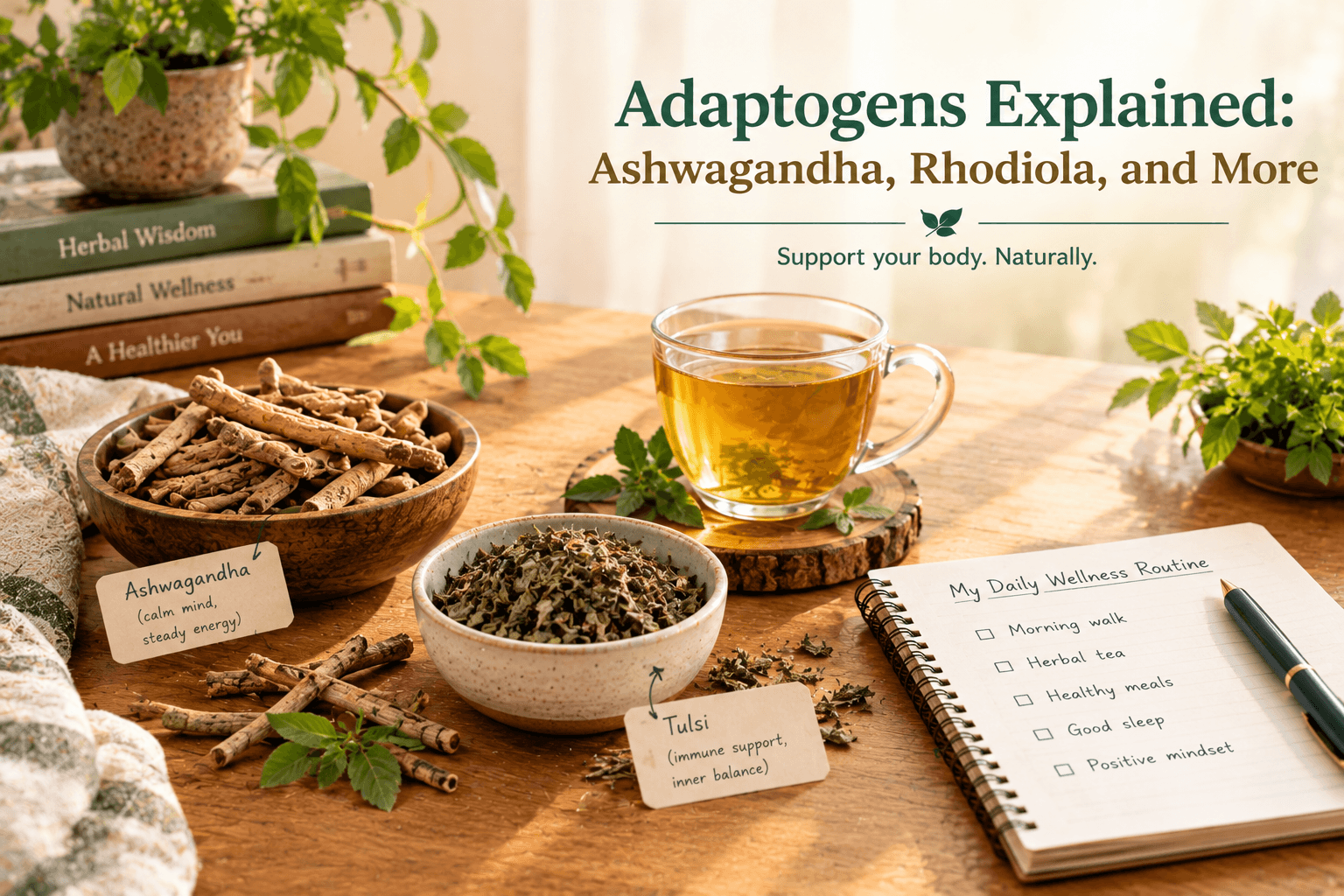
Adaptogens are herbs, such as ashwagandha, rhodiola, tulsi, and Asian ginseng, that are traditionally used to help the body cope with stress. The idea is appealing, but the honest picture is uneven. Ashwagandha has the largest body of human trials, and several analyses suggest small to moderate short-term improvements in perceived stress, anxiety, and sleep, though trial results vary a lot and the certainty of the evidence is often rated low. Rhodiola shows some promise for stress-related fatigue, but reviews point out serious weaknesses in the studies. Most other adaptogens rest mainly on tradition and small studies. “Adaptogen” is a concept and a marketing term, not a medical category. These herbs are not a substitute for sleep, movement, good food, or professional help, and they are not right for everyone: ashwagandha is usually avoided in pregnancy, can interact with thyroid conditions and some medicines, and has rare reports of liver injury. If you are curious about adaptogens, speak to your doctor or an Ayurvedic practitioner first. This is general wellness information, not medical advice.
Walk into any wellness shop and you will find shelves of “stress support” capsules, powders, and lattes, many of them labelled adaptogens. Some promise calm, some promise energy, and some promise both. So what exactly is an adaptogen, what does the research say about the best-known ones, which claims are overstated, and how can you think about them sensibly? In this article we will look at where the idea came from, how ashwagandha and rhodiola compare, what we know about other familiar herbs such as tulsi and Brahmi, what safety questions deserve attention, and what Ayurveda, which has used many of these herbs for centuries, says about building resilience of mind and body.
What Is an Adaptogen?
The word was coined in the mid-twentieth century by Soviet scientists who were searching for substances that could help people withstand physical and mental strain. Over time, the idea was refined into a set of characteristics. An adaptogen is described as a substance that:
- Helps the body resist a wide range of stressors, not just one, which is called a non-specific response
- Has a normalising effect, nudging the body towards balance regardless of the direction of the disturbance
- Is relatively safe, with few side effects when used appropriately
It is worth being clear that this is a conceptual definition, and not a legal or medical one. There is no regulated category called adaptogens, no single test that proves an herb is one, and the term is used loosely in marketing. Some herbs sold as adaptogens have only modest evidence, and some have almost none beyond tradition. That does not mean they are useless, but it does mean you should look at each herb on its own record.
Why Stress Support Is So Popular
Stress is not just a feeling. When you are under pressure, your body releases stress hormones such as cortisol, your heart rate and blood pressure rise, and your sleep, digestion, and concentration can all be affected. Short bursts of stress are normal and even useful. The concern is long-lasting stress, which is linked with poor sleep, low mood, tension, and a higher risk of several health problems. Many people understandably look for something to help them cope, and herbs that have been used for centuries feel familiar and gentle. The question is how much they really add, and how to use them wisely.
Ashwagandha: The Best-Studied of the Group
Ashwagandha (Withania somnifera) is a root used in Ayurveda for thousands of years, and it is the adaptogen with the most human research. Studies have mostly looked at stress, anxiety, sleep, cortisol, and physical performance.
What the Research Suggests
Several meta-analyses of randomised trials have reported that ashwagandha was associated with lower perceived stress and anxiety scores and lower blood cortisol than placebo over a few weeks, and some analyses have found small improvements in sleep. A 2024 meta-analysis of nine trials and a 2025 review in BJPsych Open were among those reporting favourable results, according to published summaries. A review of ashwagandha and physical performance in healthy people also examined trials up to 2020, looking at strength, fitness, fatigue, and recovery.
The Caveats Matter
The same body of research comes with important limits. A pooled analysis of 12 randomised trials involving about 1,000 people found a benefit for anxiety and stress, but the results varied enormously between trials, and the overall certainty of the evidence was rated low. Other points include:
- Short duration. Most trials ran for weeks to a few months, so long-term effects are unknown.
- Different extracts and doses. Studies used different root and leaf extracts at different strengths, which makes comparison difficult.
- Cortisol is not the same as feeling better. Lowering a stress hormone in a blood test does not always match how stressed a person actually feels, and results on the two have not always agreed.
- Small studies. Many trials were small, and some were funded by supplement companies.
So the fair summary is that ashwagandha has a credible, modest short-term signal for stress, anxiety, and sleep, but it is far from a proven stress solution, and it works best as a supportive extra alongside better habits. Our article on ashwagandha for stress and strength goes into this in more detail.
Safety Points for Ashwagandha
- Pregnancy and breastfeeding: It is generally advised to avoid it unless a doctor specifically says otherwise.
- Thyroid conditions: It may raise thyroid hormone levels, so anyone with a thyroid condition or on thyroid medicine should speak to their doctor first.
- Liver: There are rare reports of liver injury, including a small number of carefully reviewed cases linked to supplements containing ashwagandha. Causation is not firmly established, but if you develop yellowing of the skin or eyes, dark urine, severe tiredness, nausea, or upper right abdominal pain, stop it and seek medical care promptly.
- Autoimmune conditions: People with these conditions should ask their doctor, since ashwagandha may affect immune activity.
- Other medicines: It may interact with sedatives, blood pressure medicines, diabetes medicines, and immune-suppressing drugs, so tell your doctor about it.
- Surgery: Tell your surgeon and anaesthetist about any herbal supplement before an operation.
Rhodiola: Promising, But Hard to Judge
Rhodiola rosea is a plant that grows in cold, high-altitude regions of Europe and Asia and has long been used in traditional medicine in those areas. It is mostly promoted for fatigue, stamina, and mental sharpness under pressure.
A systematic review of rhodiola for physical and mental fatigue found that some evidence suggests the herb may help with mental fatigue and perhaps physical performance. But the reviewers stressed that methodological flaws limited how confidently the results could be interpreted. Of the studies that looked at mental fatigue, several reported benefits, but the trials used different outcomes, and risk of bias was high or unclear in many. Other summaries describe rhodiola as promising but under-powered, with small and inconsistent studies.
In practice, rhodiola is a reasonable herb to discuss if your main problem is tiredness under stress, but it is not a proven energy booster. Some points to know:
- It can feel stimulating in some people, and taking it late in the day may disturb sleep.
- People with bipolar disorder, other mood disorders, or who take antidepressants should speak to their doctor first, since stimulating herbs may not be suitable.
- Products vary in how much of the active compounds, such as rosavins and salidroside, they contain.
- Pregnancy and breastfeeding data are limited, so it is generally best avoided without medical advice.
Other Well-Known Adaptogens
Tulsi (Holy Basil)
Tulsi is a daily presence in many Indian homes and is traditionally used as a calming, supportive herb, often as a tea or in a kadha. Research on tulsi and stress exists but is limited, mostly small trials, so it is best thought of as a traditional comfort and a pleasant, low-risk daily drink for most people rather than a proven stress remedy. People on blood-thinning or diabetes medicines should check with their doctor before using concentrated tulsi supplements.
Brahmi (Bacopa)
Brahmi is better known for memory and focus than for stress, and as our article on Brahmi for focus and memory explained, trials have been mixed. Some studies report benefits for memory and attention over weeks, while a recent trial found stress and fatigue improved without clear cognitive gains. It is classified in Ayurveda as a Medhya Rasayana, a herb traditionally linked with mental clarity.
Asian Ginseng (Panax Ginseng)
Ginseng has been studied for decades for fatigue and cognition, but the results are inconsistent. It may interact with blood-thinning medicines, diabetes medicines, and others, so medical advice is important before use.
Shatavari, Guduchi, and Others
Many other Ayurvedic herbs are described as Rasayana, meaning rejuvenating, and are used traditionally for resilience and vitality. Human evidence for most of them is limited or preliminary, so they are best viewed as part of a traditional approach, used with guidance, rather than as proven adaptogens.
What Do the Reviews Say About Adaptogens as a Group?
A 2023 systematic review and meta-analysis that examined 25 randomised trials of adaptogenic plants, including rhodiola, ashwagandha, and ginseng, in healthy, mentally stressed adults reported significant reductions in cortisol and improvements in perceived stress scores, according to published summaries. But, as the individual herb reviews above show, the quality of trials is mixed, the products differ, and the effects are modest. The most balanced reading is that some adaptogens, especially ashwagandha, show a real but modest short-term signal, that rhodiola and ginseng sit in a “promising but unproven” middle, and that many fashionable herbs rely largely on tradition.
Adaptogen Myths Worth Clearing Up
- Myth: Adaptogens “fix” your adrenals. “Adrenal fatigue” is not a recognised medical diagnosis, and endocrine specialists have said so. Real adrenal conditions exist, but they are diagnosed with blood tests and managed by doctors, not with supplements.
- Myth: Natural means safe for everyone. Herbs are active substances. Ashwagandha, for example, has reported liver and thyroid concerns, and several adaptogens interact with medicines.
- Myth: More herbs in a blend means better results. Blends make it hard to know what is helping or causing a problem, and the amounts of each herb are often small.
- Myth: Adaptogens work instantly. Where benefits have been seen, they typically took several weeks.
- Myth: An adaptogen can replace sleep, food, or therapy. It cannot. Herbs may give mild support, but they do not undo chronic sleep loss, an overloaded schedule, or an untreated mental health condition.
- Myth: Every product on the shelf is the same. Extract type, standardisation, dose, and quality control vary widely.
Resilience Starts With Habits, Not Capsules
Whatever you decide about herbs, the best-supported ways to become more resilient under stress are not found in a bottle:
- Sleep. Regular, sufficient sleep is the foundation of stress tolerance, mood, and memory.
- Movement. Walking, yoga, or any activity you enjoy lowers tension and improves mood.
- Daylight and fresh air. Time outdoors supports sleep and mood.
- Balanced meals. Regular, nourishing meals with protein, fibre, and healthy fats help stabilise energy and mood.
- Breathing and relaxation. Pranayama, meditation, and slow breathing calm the body’s stress response.
- Connection. Time with people who support you is one of the strongest protective factors for mental health.
- Boundaries and breaks. Realistic workloads, time away from screens, and regular rest.
- Limiting alcohol and excess caffeine. Both can worsen anxiety and sleep.
- Professional support. Counselling and medical care are effective and are not a sign of weakness.
If You Are Considering an Adaptogen: A Sensible Approach
- Talk to your doctor or an Ayurvedic practitioner first. Especially if you are pregnant, breastfeeding, have a thyroid, liver, autoimmune, or mood condition, take regular medicines, or are planning surgery.
- Start with one herb at a time. This helps you see what works and notice any side effects.
- Choose quality. Look for reputable manufacturers, clear labelling that names the plant part and extract, licensed products, and independent testing where available.
- Follow professional dosing advice. Doses and extracts differ widely, so go by the label and your practitioner rather than by an influencer.
- Give it a fair trial and review. Where benefits were seen in studies, they took weeks, so reassess after a month or two.
- Keep a simple diary. Note your sleep, mood, energy, and any side effects.
- Stop and get advice if something feels wrong. Especially yellowing of the eyes or skin, dark urine, palpitations, severe stomach upset, rashes, or unusual mood changes.
- Do not use herbs to hide symptoms that need a check. Persistent exhaustion, low mood, weight changes, or palpitations need medical evaluation.
The Ayurvedic Perspective: Rasayana and Resilience
Many of the herbs now called adaptogens have long been part of Ayurveda, where they fall under the heading of Rasayana, a branch concerned with rejuvenation, vitality, and long-term resilience. The goal of Rasayana is to nourish the body’s tissues (Dhatus) and support Ojas, the subtle essence linked with strength, immunity, and calm. Ayurveda does not view these herbs as isolated “stress pills.” They are used alongside diet, routine, and mental practices.
How Ayurveda Sees Stress
In Ayurvedic thinking, mental overload, worry, irregular routine, and lack of rest tend to aggravate Vata dosha, which governs the nervous system and is associated with restlessness, anxiety, light sleep, and dryness. Stress that shows as irritability, anger, or burnout is linked with excess Pitta. Ayurveda therefore recommends grounding, warming, and regular practices for Vata, and cooling, calming ones for Pitta.
Herbs in the Traditional Context
- Ashwagandha: Traditionally regarded as a Rasayana and a strengthening herb (Balya), often used in the evening, with warm milk, for vitality and calm.
- Brahmi, Shankhpushpi, and other Medhya Rasayana herbs: Traditionally associated with mental clarity and memory.
- Tulsi: A household herb traditionally used for daily wellbeing and as a supportive tonic.
- Shatavari and Guduchi: Traditionally used as nourishing, balancing Rasayana herbs.
Ayurveda stresses that the right herb depends on the person’s constitution, current imbalance, age, and season, which is a very different approach from taking one herb for everyone. It also requires guidance. A qualified practitioner would consider your digestion, sleep, and medicines before suggesting anything.
Daily Practices That Complement the Herbs
- Dinacharya, a steady daily routine: Regular wake-up, meals, and bedtime help settle Vata.
- Abhyanga: A gentle warm-oil massage before a bath is traditionally used for relaxation and grounding.
- Pranayama and meditation: Core Ayurvedic and yogic tools for calming the mind.
- Warm, nourishing, freshly cooked meals: Considered supportive of both digestion and mood.
- Early, calm evenings and enough sleep: Given great importance in Ayurvedic texts for mental and physical health.
The clearest overlap between tradition and modern research is that resilience is built from a combination of habits, rest, and, where appropriate, supportive herbs, and that no single herb is a shortcut.
Questions Worth Asking Your Doctor
- Is an adaptogen suitable for me, given my health conditions and medicines?
- Could my tiredness or anxiety have a medical cause, such as thyroid problems, anaemia, low vitamin D or B12, or a sleep disorder, that should be checked first?
- Which herb and extract, if any, would you suggest, and for how long?
- What side effects should make me stop and contact you?
- Are there blood tests I should have before starting, or while taking it?
Frequently Asked Questions
1. What are adaptogens?
Adaptogens are herbs, such as ashwagandha, rhodiola, tulsi, and Asian ginseng, traditionally used to help the body cope with stress. The concept describes herbs said to help the body resist various stressors and promote balance. It is not a regulated medical category, and the strength of the evidence differs greatly from herb to herb.
2. Do adaptogens really work for stress?
Ashwagandha has the most human research, and several analyses suggest modest short-term reductions in perceived stress, anxiety, and cortisol, although the certainty of the evidence is often low and trial results vary. Rhodiola shows some promise for stress-related fatigue but the studies have notable weaknesses. For most other adaptogens, evidence is limited. They may offer mild support, but they work best alongside good sleep, activity, and stress management.
3. Is ashwagandha safe to take every day?
For many healthy adults it is tolerated in studies lasting weeks to months, but long-term safety data are limited. It is usually avoided in pregnancy, can affect thyroid levels, may interact with some medicines, and has rare reports of liver injury. Please check with your doctor before using it, and stop and seek help if you notice symptoms such as yellow eyes or skin, dark urine, or severe fatigue.
4. Can I take several adaptogens together?
Many products combine several herbs, but starting with one at a time makes it easier to judge benefits and side effects, and combinations can increase the chance of interactions. Ask your doctor or an Ayurvedic practitioner which, if any, is appropriate for you.
5. How long does it take for adaptogens to work?
Where benefits have been reported, studies typically ran for several weeks, so any effect is usually gradual rather than immediate. If you notice no benefit after a reasonable trial, or if you have side effects, review it with your doctor.
A Gentle Note Before You Go
Adaptogens can be a gentle, traditional part of a stress-support routine, but they work best when you see them as one small piece alongside sleep, movement, good food, and calm, and when you choose them with eyes open to what the evidence does and does not show. If you are looking for gentle, everyday support for the mind alongside a balanced routine, Healthywe’s range of brain care herbal supplements is made using 100% natural, vegetarian ingredients rooted in traditional Ayurvedic wisdom. If you are pregnant, breastfeeding, have a medical condition, or take regular medicines, please check with your doctor before starting any supplement.
As always, lifestyle changes and herbal supplements are meant to support your overall wellness, not replace medical care. Please consult your doctor or an Ayurvedic practitioner for proper diagnosis, and before making any changes to a prescribed treatment.
Explore our natural wellness range at www.healthywewellness.com/shop.